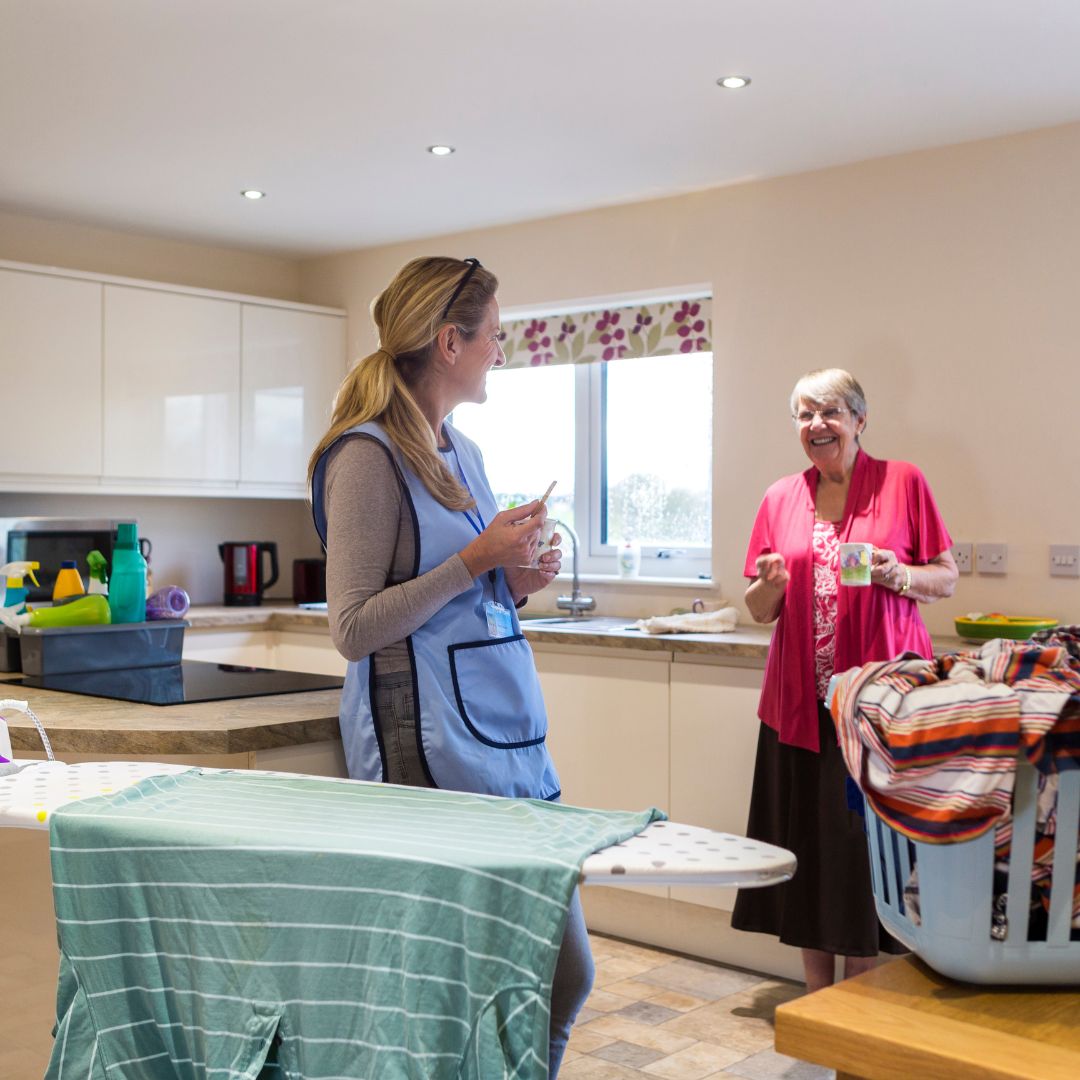
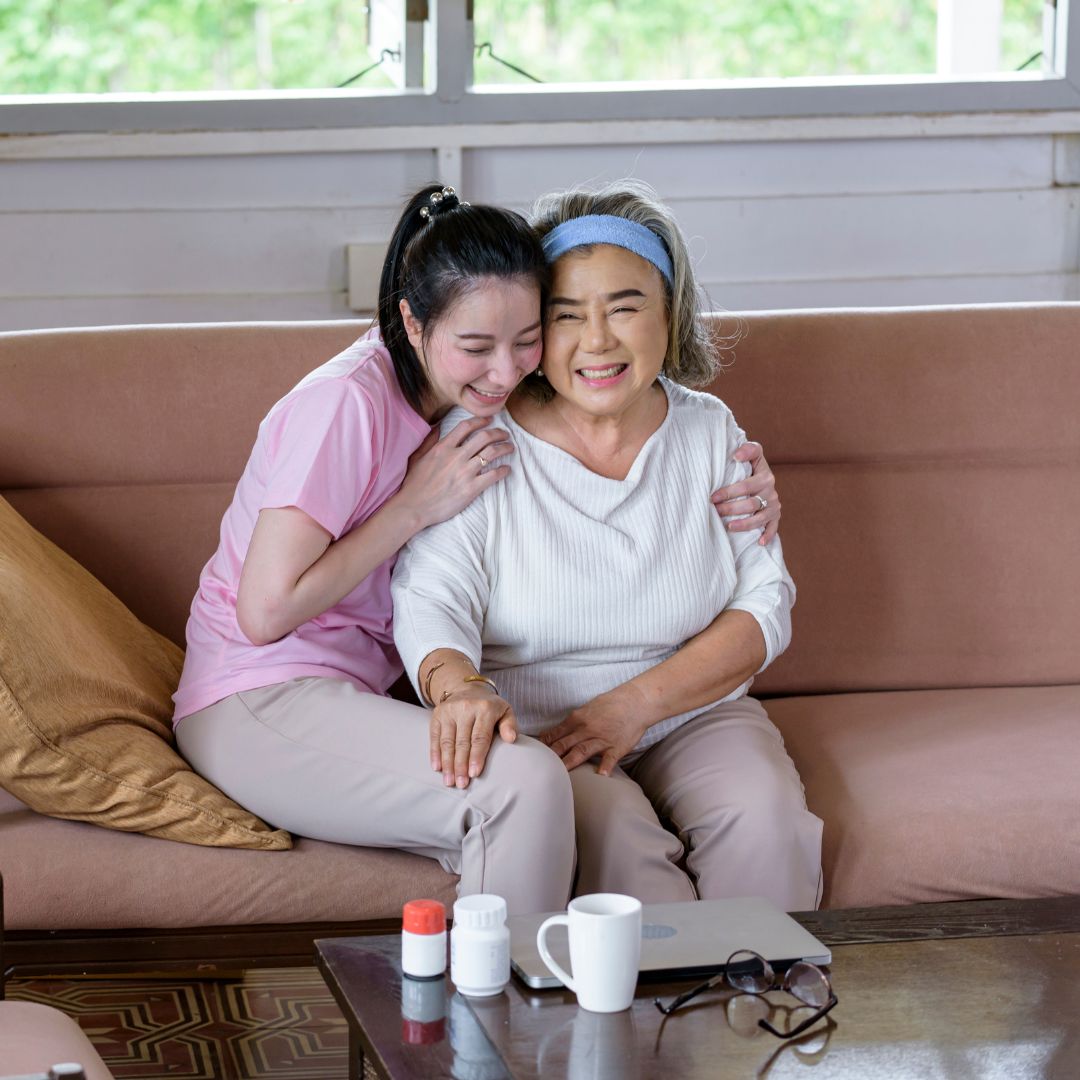
A conversation over breakfast, a favorite activity, a little help getting out for the day. Companion care offers a steady presence for older adults who could use more connection and everyday support.
Conversation and connectionTime for conversation, hobbies and activities chosen around personal interests.
Help around the dayLight housekeeping, meal preparation and errands to make daily life more manageable.
Staying involvedAccompaniment for social outings, community activities and family events.
A steadier routineEveryday supervision and mobility assistance within the agreed care plan.
Small moments. Meaningful support.
What would make their day feel more like theirs?
Explore a few ways companionship could fit. These are conversation starters, not fixed visit packages.
Imagine a visit / 01
Make room for a shared interest.
A possible visit could begin with a conversation, make time for a favorite game or hobby, and include help preparing a meal. Start with what your loved one enjoys—not a fixed activity list.
Ask what they feel like doing today.
Spend time on a familiar interest together.
Help with an everyday task before the visit ends.
Make it personal
Tell us about favorite activities, communication preferences and the times that feel loneliest.
Companion care may fit when a loved one is spending more time alone, losing interest in usual activities or finding everyday tasks harder. It can also give family caregivers time to manage their own responsibilities.
Company, personal assistance—or a little of both?
If the main need is connection and practical help, start with companion care. If bathing, dressing or toileting has become difficult too, ask about adding personal care. Your loved one should not have to fit into a service label.
Companionship is personal. We work with families to understand interests, routines and the times of day when another person’s presence would be helpful.
Cost & scheduling: Ask about rates, visit length, availability and caregiver arrangements. These are agreed with your family before care begins.
Non-medical assistance only. Medical treatment and skilled nursing remain with licensed providers.
No. It provides social connection and practical, non-medical help. Clinical assessment and treatment remain with medical providers.
Can companionship be combined with personal care?
Yes. Discuss bathing, dressing or mobility needs with the team so the care plan reflects the right level of assistance.
What should we confirm about cost and scheduling?
Ask the team about current availability, visit length, rates, caregiver matching and backup arrangements for the support you need. These details are confirmed with your family, not assumed from a service description. With Home Care is private-pay.
How do we get started?
Call (714) 732-6176 or contact our care team. Tell us the city, the support you are looking for and the schedule you have in mind. We will discuss needs, preferences and next steps before care begins.
Care can work together.
The first step
You do not need the whole plan. Just a place to begin.
Tell us what is becoming harder at home. We will talk through what support may fit.